Sell-ability Readiness
Sell-ability Readiness
See your business the way a buyer - and a bank - will see it.
If you think you might sell someday, the worst time to learn how buyers will judge your business is when you’re already on the clock.
Most valuations answer one question: “What’s it worth today?”
A buyer (and a lender) is asking different questions:
How transferable is this business without the owner?
Where is risk concentrated (customers, suppliers, key people, systems)?
How reliable are the earnings - and how fragile is the cashflow engine?
What will we have to fix after we buy it?
What could cause a deal to stall, retrade, or fall apart?
Sell-ability Readiness is a VOP-based, buyer-lens diagnostic valuation + on-site business assessment that gives you time to upgrade value and reduce risk before you ever go to market.
What makes this different from a normal valuation
Most valuators never visit the business, never look beyond financial statements, and default to generic assumptions.
We do the opposite:
We come to your business and look at how it actually operates
We evaluate both financial and non-financial drivers that buyers price in:
owner dependence and key-person risk
customer concentration and contract quality
operations, capacity, systems, and process reliability
reporting quality, decision visibility, and “management signal”
leadership depth, incentives, and continuity risk
company-specific risk factors that change the multiple
We translate what we find into a valuation that matches reality - not averages
This is why two businesses with the same revenue and EBITDA can receive very different outcomes from buyers: buyers pay for durability and transferability - and discount uncertainty.
What you get
You’ll walk away with:
A VOP valuation baseline built on your company-specific risk (not generic assumptions)
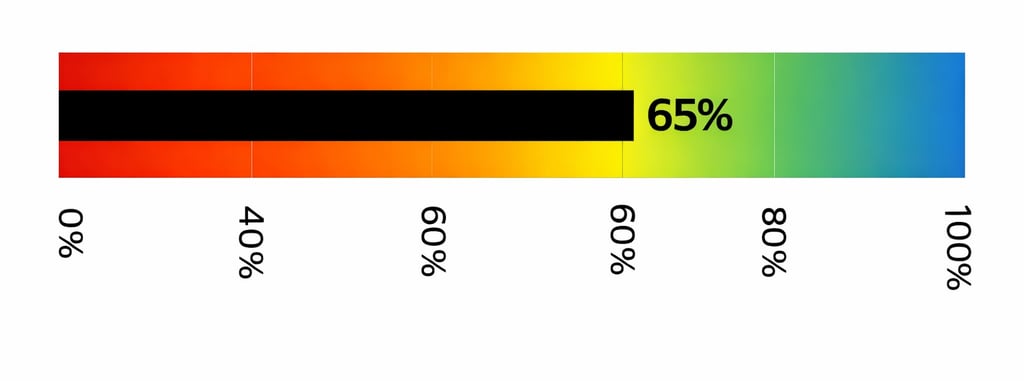
A Sell-ability Score - a plain-language measure of how transferable the business is (and what makes it hard)
A Quality of Value assessment - not just Quality of Earnings
Quality of Earnings asks: “are the earnings real?”
Quality of Value asks: “will a buyer trust the durability and transferability of the value behind those earnings?”
A prioritized value-upgrade roadmap (what to fix first, second, third - and why it moves price or deal certainty)
A valuation package designed to be reusable - meaning you can update it later instead of starting over
Why “reusable” matters (and saves money)
Most owners pay for a valuation multiple times because the first one wasn’t built for action - it was built for a moment in time.
This is built as a living baseline you can update as the business improves.
That typically reduces: repeat valuation fees, rushed late-stage advisory spend, and surprises that trigger buyer retrades.
Who this is for
This is built for owners who are 3+ years out from a sale (or want the option) and want: higher value, better terms, fewer deal surprises, less owner dependence, and more leverage with banks and buyers.
Typical next step: Strategic Planning built directly from the roadmap, then ongoing value upgrades.
How to start
A short call to confirm fit and determine the right track:
3+ years out: Sell-ability Readiness (VOP-based buyer-lens valuation + roadmap)
Within 24 months: Late-Stage Enhance & Exit (deal-risk reduction + execution plan)
If you’re exiting within the next 24 months
If you’re planning to exit your business in the next two years, the work shifts from “build optionality” to “reduce deal-killers fast.”
Late-Stage Enhance & Exit
A deep-dive engagement designed for owners who can’t afford to guess. You get strategy, structure, and coordinated next steps so you’re not hoping things go well - you’re making sure they do.
Full business review to identify value gaps and quick wins
Clarity on exit options that fit your timeline and personal goals
Readiness assessments for you and the business
Focused action plan to improve value and avoid mistakes
Coordination with your CPA, attorney, and financial team
Business Master Mechanic a Professional Service by Black Swan Advisors, LLC
Empowering business owners through pure advice & expert guidance.
Buy ⬡ Build ⬡ Grow ⬡ Fix ⬡ Enhance ⬡ Exit
We’re here to support your whole journey as an owner.
(815) 683-3034
Txt, Call, Fax
© 2025. All rights reserved.